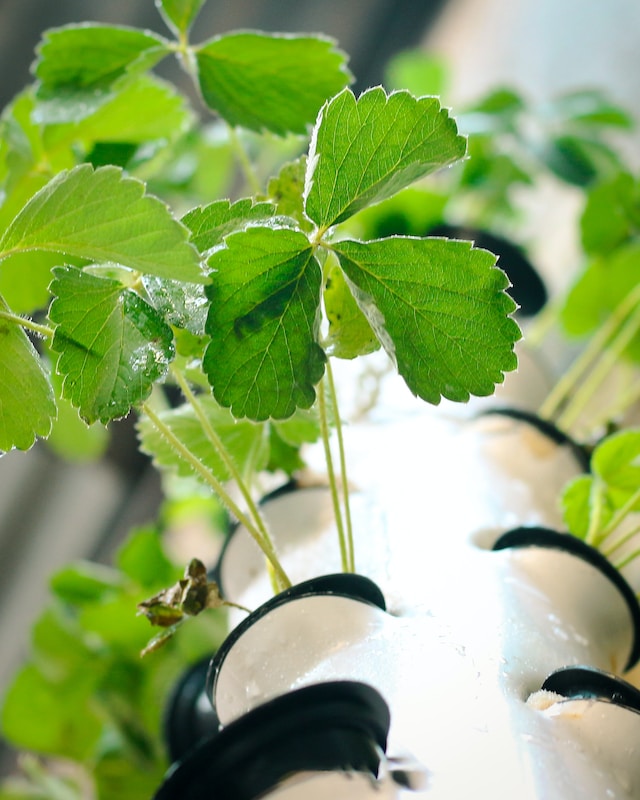

Hydroponic farming techniques offer an innovative soilless farming method that holds the potential to revolutionize agriculture. For instance, by conserving water, reducing the need for pesticides, providing high yields, and enabling farming in unconventional places, hydroponics offers a sustainable solution to modern agricultural challenges. Major companies like AeroFarms, Plenty, Bowery Farming, BrightFarms, Gotham Greens, Emirates Hydroponics Farms, and LettUs Grow lead the way. As a result, with technological advancements and increased interest in sustainability, hydroponic farming represents a promising future for agriculture.
Introduction:
Currently, the world grapples with an increasing population, dwindling arable land, and a changing climate, the pressing need for efficient, sustainable farming methods has never been greater. In the face of these challenges, innovative approaches to agriculture are not only desirable—they’re essential. One such approach, taking root (quite literally) in locations from bustling urban centers to arid deserts, is the hydroponic farming technique.
Hydroponics, a method of growing plants without the use of soil, may initially sound like the stuff of science fiction. Yet, this innovative approach has ancient roots, dating back to the Hanging Gardens of Babylon and the Floating Gardens of China. Modern hydroponics, however, takes these early concepts and propels them into the 21st century with the assistance of technology and scientific understanding, offering a promising solution to some of today’s most pressing agricultural issues.
This blog post delves into the fascinating world of hydroponics. We’ll explore how it works, its advantages over traditional farming methods, and some key players in the hydroponic industry. We’ll also discuss the future of hydroponic farming and its potential impact on how we grow our food. Whether you’re a seasoned farmer, an urban gardener, or simply a curious reader, we invite you to join us on this exploration of hydroponics—a glimpse into the future of agriculture.
What is Hydroponics?
The term ‘hydroponics’ is derived from two Greek words, ‘hydro’ meaning water, and ‘ponos’ meaning labor—essentially, ‘working water.’ It is a subset of hydroculture and refers to growing plants without soil, using mineral nutrient solutions in an aqueous solvent.
In the hydroponic process, the traditional soil medium, usually used to provide plant nutrients, is replaced with a water solution enriched with essential nutrients. We expose the plants’ roots to this nutrient-rich solution, which they absorb directly. This direct access to nutrients in their raw form allows for better growth and development of the plant. Moreover, since there’s no soil, the roots also have access to oxygen, which is vital for their growth.
In fact, there are several types of hydroponic systems, each with its own benefits and ideal uses:
- Nutrient Film Technique (NFT):
In NFT, a thin film of nutrient-rich water circulates over the roots of plants suspended in a sloped trough. The gradient allows the nutrient solution to flow with gravity, covering the roots while also allowing them access to air.
- Deep Water Culture (DWC):
In this method, we suspend the plants in a nutrient solution with their roots immersed in the liquid. Air stones or diffusers provide the roots with oxygen. DWC is particularly popular for its simplicity and efficiency.
- Other Systems:
These include the Wick System (the simplest form of hydroponics, where a wick connects the plant with the nutrient solution), the Ebb and Flow System (the plant tray is filled with the nutrient solution at regular intervals and then drained), and Aeroponics (where we suspend plants in air and mist nutrient solution onto the roots).
Each system has advantages and is suited to different plants and farming conditions. Regardless of the method, the principle remains the same—providing plants with direct access to nutrients and oxygen for optimal growth.
Benefits of Hydroponic Farming Techniques
- Resource Efficiency
One of the most significant benefits of hydroponic farming is its efficient use of resources, particularly water and nutrients. Traditional soil-based agriculture loses much water through soil absorption and evaporation. However, water is recirculated in hydroponics, leading to significantly reduced water usage, up to 90% less than traditional farming methods. Similarly, we can control the nutrients precisely and minimize waste since the nutrient solution can be adjusted and reused rather than being wasted.
- Space-saving and Versatility
Hydroponic systems can be vertical, allowing multiple production layers in a single area. This method makes farming possible in urban settings, indoors, or other space-constrained environments. In other words, agriculture fits the modern world—be it in a sprawling cityscape or a suburban living room. This versatility opens the door for local, sustainable food production, regardless of location.
- Yield Potential
Due to the controlled environment and direct access to nutrients, hydroponically grown plants often grow faster and yield higher than their soil-grown counterparts. Because there’s no competition for nutrients and water, each plant can grow to its full potential. Moreover, since we can cultivate year-round in a controlled environment, it can result in multiple harvests per year, further increasing the yield potential.
- Reduction in Pests and Diseases
Another advantage of hydroponics is the significant reduction in pests and diseases. Since the system is soil-free, it eliminates soil-borne diseases and pests. Also, we can manage the controlled environment to prevent the introduction and spread of other diseases and pests. As a result, hydroponic systems often require fewer pesticides and other chemicals, making it a more environmentally friendly farming method.
Major Companies Using Hydroponic Farming Techniques
- AeroFarms
AeroFarms is a New Jersey-based company specializing in aeroponic farming, a subset of hydroponics where plants are grown in a mist environment without soil. Their advanced indoor vertical farming system enables them to grow a range of leafy greens and herbs year-round in a fully controlled environment, ensuring consistent, high-quality crops.
- Plenty
Plenty, a San Francisco-based company, has set its sights on transforming the global food system through its vertical farming and hydroponic techniques. Their farms grow crops like kale, arugula, and chard, using a fraction of the water and land compared to traditional agriculture. With data analytics and machine learning, Plenty optimizes the growing conditions for each plant to maximize yield and quality.
- Bowery Farming
Based in New York, Bowery Farming leverages hydroponics and innovative technology to grow crops indoors. Their proprietary software, BoweryOS, uses sensors to monitor and control all the variables that affect plant growth, ensuring consistent, pesticide-free, high-quality produce. Their crop range includes various leafy greens and herbs.
- BrightFarms and Gotham Greens
BrightFarms operates hydroponic greenhouses across the United States, focusing on growing leafy salad greens. Their focus on local farming allows them to deliver fresher produce to stores faster.
Similarly, Brooklyn-based Gotham Greens grows a variety of greens and herbs in rooftop greenhouses using hydroponic methods. Their commitment to sustainable, urban farming reduces the distance food travels, ensuring fresher, more nutritious produce.
- Emirates Hydroponics Farms
Situated in the arid climate of Abu Dhabi, Emirates Hydroponics Farms uses hydroponics to grow crops such as cucumbers, tomatoes, and lettuce. Their efficient use of resources is especially crucial in a region where water scarcity is a significant issue.
- LettUs Grow
LettUs Grow, a UK-based startup, designs and manufactures aeroponic and hydroponic farming systems for indoor and vertical farms. They aim to reduce the environmental impact of agriculture and make fresh, nutritious food accessible to everyone. Their innovative approach and solutions could revolutionize urban farming and indoor agriculture.
Pros of Hydroponic Farming Techniques
Hydroponic farming comes with a host of benefits:
- Water Efficiency:
Hydroponic systems use up to 90% less water than traditional soil-based farming, making them an excellent choice in regions with scarce water.
- Controlled Environment:
Because hydroponic farming takes place in a controlled environment, it allows for year-round cultivation, regardless of outside weather conditions. This control also helps prevent pests and diseases, reducing the need for pesticides.
- Urban Farming:
The space-saving nature of hydroponic systems makes them ideal for urban farming. It can reduce the carbon footprint of transporting produce over long distances and promote access to local, fresh food in urban areas.
Cons of Hydroponic Farming
Despite its many benefits, hydroponic farming is not without challenges:
- High Initial Investment:
Setting up a hydroponic farm requires a significant upfront investment. The investment includes building the farm, setting up the system, and investing in technology to control the environment.
- Need for Technical Knowledge:
Successful hydroponic farming requires a good understanding of plant nutrition, growth patterns, and disease management. This technical knowledge can be a barrier to entry for some would-be farmers.
- Constant Monitoring and Management:
Hydroponic systems require consistent monitoring to maintain optimal conditions for plant growth. Changes in pH, nutrient levels, or other environmental factors can quickly impact plant health, making constant management necessary.
Despite these challenges, the benefits of hydroponic farming and its potential to contribute to a more sustainable and efficient agricultural future make it an increasingly attractive option for new and traditional farmers.
The Future of Hydroponic Farming Techniques
The future of hydroponic farming depends on technological advancements. Artificial Intelligence (AI), automation, and the Internet of Things (IoT) are poised to play significant roles in the evolution of hydroponic farming. These technologies can assist with everything from optimizing growth conditions to automating planting and harvesting, increasing efficiency and reducing human error. Sensors and IoT devices can monitor and adjust environmental variables in real time, while AI can analyze data to predict and optimize yields.
As climate change continues to challenge traditional agriculture, hydroponic farming is a potential solution for sustainability and food security. Its efficient use of water and land makes it a more environmentally friendly farming method. Moreover, by enabling local food production even in urban or arid areas, hydroponics can reduce the carbon footprint associated with long-distance transportation and promote food security in areas where traditional farming is difficult or impossible.
The hydroponic farming market is experiencing substantial growth, fueled by increasing demand for fresh, local produce and a recognition of the sustainability benefits hydroponic farming offers. As public awareness of these benefits grows, so does interest and investment in the sector. From startups to established agricultural companies, there’s a growing recognition of hydroponics’ potential to revolutionize how we grow food, making it a burgeoning field with much promise for the future.
Conclusion
Hydroponic farming, a method of growing plants without soil using nutrient-rich water, offers a viable solution to many of traditional agriculture’s challenges. Hydroponics offers many benefits, including water savings, reduced pesticide use, and high-yield potential. While the technology requires an initial investment and ongoing monitoring, the advantages it offers have attracted significant interest from companies such as AeroFarms, Plenty, Bowery Farming, BrightFarms, Gotham Greens, Emirates Hydroponics Farms, and LettUs Grow. With advancements in technology such as AI and IoT, hydroponics stands at the forefront of sustainable farming, promising to reshape how we think about agriculture.
The potential of hydroponic farming extends beyond producing food efficiently and sustainably. It’s about envisioning a future where agriculture is adaptable, local, and resilient in the face of climate change. It’s about bringing food production closer to consumers, reducing the carbon footprint, and promoting food security worldwide. By embracing the versatility of hydroponics, we can reimagine farming, taking it out of the fields and bringing it into our cities, homes, and future.
Whether you’re a gardener, a farmer, or a consumer, consider the role you can play in promoting hydroponic farming. Explore local hydroponic farms, support businesses that employ these sustainable practices, or even consider setting up your small hydroponic system at home. We can contribute to a sustainable, efficient, and resilient agricultural future.
AGTECH BRIEFING · A FUTURECENTRAL BRIEFING
Get practical agriculture intelligence in your inbox.
Focused analysis for people building, financing, and managing agriculture and food systems.
Free to subscribe. Confirm your email after signing up. Unsubscribe at any time.

